
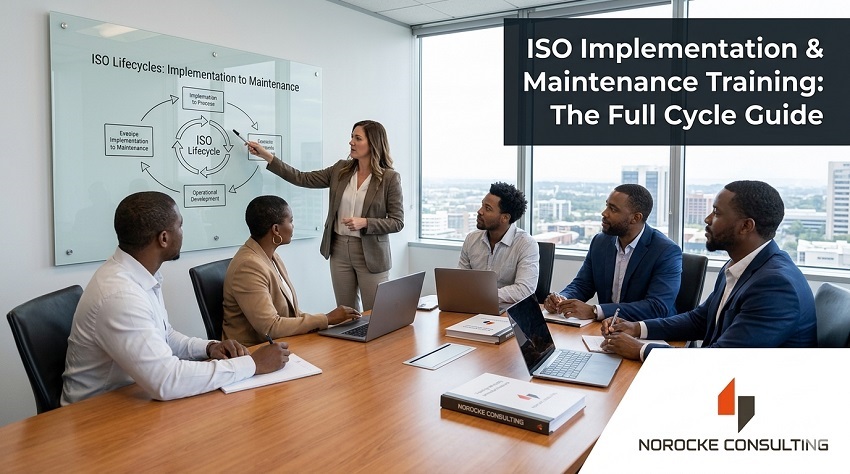
Many organizations view achieving an ISO certification as a race to a finish line. They invest heavy resources into passing the initial stage-two audit, pop open the champagne when the certificate arrives, and then let the system gather digital dust on a shared drive.
This approach is highly risky. An International Organization for Standardization (ISO) framework—whether it is ISO 9001 (Quality), ISO 14001 (Environmental), or ISO 45001 (Health & Safety)—is not a static project. It is a living, breathing operational ecosystem.
Without ongoing ISO implementation and maintenance training, systems degrade, non-conformances pile up, and businesses face catastrophic failures during surveillance audits.
The Critical Split: Implementation vs. Maintenance Training
To build a highly resilient workforce, your professional development strategy must cover two distinct phases of the ISO lifecycle.
Phase 1: Implementation Training (Building the Framework)
This training is geared toward project leads, department heads, and executives during the design phase of your management system. It focuses heavily on gap analysis, mapping operational processes, and drafting policies that align with the specific high-level structure (Annex SL) of modern ISO standards.
Phase 2: Maintenance Training (Sustaining the Framework)
This is where most organizations fail. Maintenance training is designed for internal auditors, compliance officers, and general staff. It focuses on the daily, monthly, and annual habits required to keep the system compliant, including root-cause analysis, corrective actions, and running effective management reviews.
Core Competencies Covered in ISO Training
A robust corporate training program should equip your team with four essential operational pillars:
To prevent your management system from collapsing between major certification cycles, your trained internal team must follow a structured approach based on the classic Plan-Do-Check-Act cycle.
The True ROI of Training: According to industry benchmarks, organizations that invest in internal ISO maintenance training experience up to an 80% reduction in major non-conformances during surveillance audits compared to companies that rely solely on external consultants.
Choosing the Right Training Architecture
When deploying ISO implementation and maintenance training across your enterprise, match the delivery model to your operational realities:
-
In-Person Classroom Workshops: Ideal for intensive internal auditor training where mock interviews and case-study roleplays require immediate instructor feedback.
-
Digital E-Learning Platforms: Best for general staff awareness training, covering basic policy overviews and compliance requirements without disrupting manufacturing or service shifts.
-
Blended Hybrid Classrooms: Perfect for implementation teams who need theoretical knowledge combined with practical, hands-on consulting workshops tailored to the company’s actual operating manual.
By shifting your organizational mindset from “getting certified” to “staying compliant,” you protect your operational licence, boost workforce morale, and ensure your management system consistently protects your bottom line.